Indian restaurants have grown 113% in six years. Michelin-starred Indian restaurants sell out within minutes. A new generation of Indian-American chefs brought prestige. The Indian-American population doubled since 2000 and they have serious spending power. Social media killed the information gap around regional Indian cuisine. But here’s the important part: unlike Chinese food (which got locked into buffets) or Vietnamese food (which got defined by pho), Indian food still hasn’t been confined to a single format. That means right now, in 2026, we’re at the exact moment when Indian food is transitioning from prestige dining into everyday formats. Convenience stores. Fast casual. Food halls. The first brands to establish what Indian fast food actually looks like will own the category. That window is open now.
Something Real Has Shifted
Go to a nice restaurant in any major city right now and try to get a reservation at an acclaimed Indian restaurant. You won’t get one. They sell out weeks in advance. Michelin-starred Indian places. Tasting menus that get serious critical respect. Indian-American chefs getting James Beard nominations. Young chefs like Srijith Gopinathan and Chintan Pandya cooking with technique and creativity that earns standing ovations from serious food critics.
This is fundamentally different from Indian restaurants fifteen or twenty years ago. Those places were often buffets with soft lighting and a menu that hadn’t changed since 1994. Not bad—they served a purpose for communities that wanted familiar food cooked the way they remembered it. But they signaled something: Indian food was food for Indian people, not food for America.
What’s happening now is different. It’s a cultural inflection point. The kind that comes right before mainstream adoption across every format and price point. When fine dining gets respect, casual dining follows. When casual dining becomes normal, quick service comes next. That’s the pattern we’ve seen with every cuisine that became American.
And we’re at the exact moment in that cycle where it’s transitioning from fine dining respect to format translation.
The Numbers Tell a Clear Story
Let me give you the data because it’s actually remarkable. In September 2018, there were 54 Indian restaurant openings. In December 2024, there were 115. That’s 113% growth in six years. Not in just one category either. Fine dining. Fast casual. Quick service. Delivery only. Ghost kitchens. Food halls. It’s everywhere.
And it’s not concentrated in Indian enclaves anymore. It used to be you’d find serious Indian food in New York or San Francisco or cities with large Indian populations. Now it’s in secondary cities. Suburbs. Places with maybe a few thousand Indian families at most. That’s the signal of real mainstream shift. When a cuisine expands beyond its ethnic community, it’s becoming American food.
There are now over 154 establishments serving elevated or upscale Indian cuisine. That number was tiny just a few years ago. The quality and sophistication of Indian dining in America has fundamentally changed.
The Demographic Engine Is Firing
The Indian-American population has more than doubled since 2000. That’s not just numbers on a chart. That’s real spending power. Indian-Americans are the highest-income immigrant group in the United States. They’re spread across the country, not concentrated in a few cities. They have influence. They have money. They’re on social media. They’re visible in culture.
When a demographic group with real spending power and cultural visibility embraces their heritage cuisine, something shifts. It stops being ethnic food and starts being just food. It becomes aspirational. It becomes normal. That opens doors for growth at every single price point.
Generational Shift Changed Everything
First generation Indian-Americans? They cooked at home. Restaurants were special occasions. Celebrations. Treats for when you wanted someone else to do the work. Second and third generation? Completely different relationship with food. They eat Indian food out more than they cook it at home. They’re curious about regional varieties. South Indian. Bengali. Gujarati. Not just generic “Indian.” They share it on social media. They introduce their non-Indian friends to it. They’re willing to grab Indian food quick service or delivery. They don’t treat it as something special. They treat it as normal food.
That shift in consumption patterns is massive. It’s the infrastructure that allows a cuisine to scale beyond its original community.
Social Media Made the Information Barrier Disappear Overnight
A decade ago, if you wanted to learn about regional Indian food, you needed access. Travel. Community. Maybe books if you could find them. The information was scarce. It was gatekept by geography and community ties.
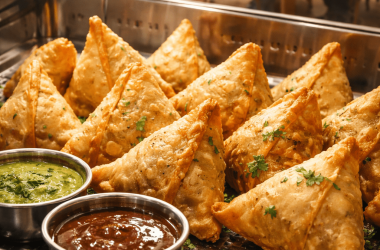
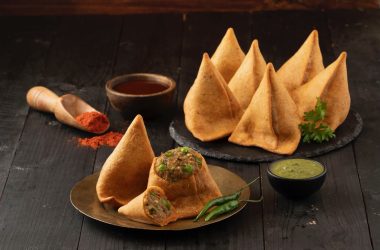
Now a food reel from a street vendor in Delhi hits your phone in seconds. TikTok creators show Indian cooking techniques. Food bloggers break down regional cuisines. Instagram is full of samosas and dosas and curries. You can be genuinely curious about Indian food without any special access at all.
Millions of Americans now have real exposure to authentic Indian cuisine and regional diversity. Not tourist version. Not Americanized version. The actual thing. That curiosity at scale accelerates mainstream adoption faster than anything else.
Here’s Why This Moment Is Different
Look at Mexican food. Started with upscale restaurants. Then Chipotle and Taco Bell made it casual and accessible. Now it’s everywhere. From food trucks to fine dining. It became foundational to how Americans eat.
Look at Japanese food. Started with omakase and high-end sushi bars. Then casual sushi restaurants. Then ramen chains. Then poke bowls in every grocery store. Now Japanese food is mainstream in every format imaginable.
Indian food is following the exact same trajectory right now. The prestige phase is done. The critical establishment has agreed that Indian food is serious and worthy of respect. New chefs have proved you can do it at the highest level. Consumers are aware and interested. The demographic momentum is there.
What hasn’t happened yet is format translation. Mexican food won with burritos and tacos. Japanese food won with sushi and ramen. Indian food still doesn’t have one or two defining fast food formats that have achieved mainstream ubiquity. That’s the open door. That’s where the opportunity lives right now.
The first brands that establish what Indian fast food looks like will own significant market advantage. They’ll define consumer expectations. They’ll build loyalty before competitors figure out how to compete.
Where the Real Money Is
Michelin-starred restaurants are culturally important. They’re not economically significant to a national food industry. A Michelin-starred restaurant serves maybe ten thousand people a year. Nice people. Influential people. But limited scale.
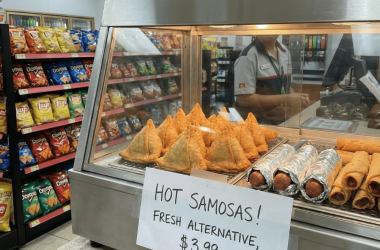
The real opportunity comes when a cuisine reaches everyday formats. The moments that happen hundreds of millions of times a year. Convenience store hot cases. Quick delivery orders. Fast casual counter orders. Food halls. Office lunch delivery. Grocery store prepared foods.
That’s where a cuisine goes from culturally interesting to economically massive. Mexican food didn’t become huge because of high-end restaurants. It became huge because you can get a burrito anywhere for five dollars. Japanese food didn’t scale because of fancy omakase. It scaled because ramen is on every corner and poke bowls are in every Whole Foods.
Indian food is at that exact inflection point right now. All the conditions are aligned. Cultural prestige is established. Consumer awareness is high. No dominant player has locked down the category yet. Multiple formats are viable and interesting. The supply chain is ready. Indian ingredients are widely available at scale in America.
The question isn’t whether Indian food reaches mainstream America. It will. The question is who builds the formats first.
What This Actually Means
If you operate food locations or manage hot cases, this is your moment. You’re not fighting an uphill battle convincing people that Indian food is good. That battle is won. The market is actively growing toward you. Early movers in a category at peak growth get competitive advantage. You get to be the place where people first experience Indian food as convenient, accessible, normal.
If you’re a food brand, the window to establish what Indian fast food looks like is open right now. First brands to own specific formats will own consumer expectations for years. That’s enormous.
For customers, it means better options. Real Indian flavors becoming as normal and accessible as getting a burrito or a taco. Quality Indian food at every price point.
The Moment Is Now
The conditions have aligned in a way they haven’t before. Demographic momentum. Cultural prestige. Consumer awareness. Generational appetite for the food. Social media creating exposure. No entrenched player. Supply chain ready.
Indian food didn’t suddenly become interesting to America. The groundwork has been building for a decade. But in 2026, all those factors hit at once. This is the moment before massive scale. This is the moment when early movers win.
The only question is whether you’ll lead the category or follow it.