Butter Chicken Was an Accident. Here’s the Story of How India’s Most Famous Dish Was Born.
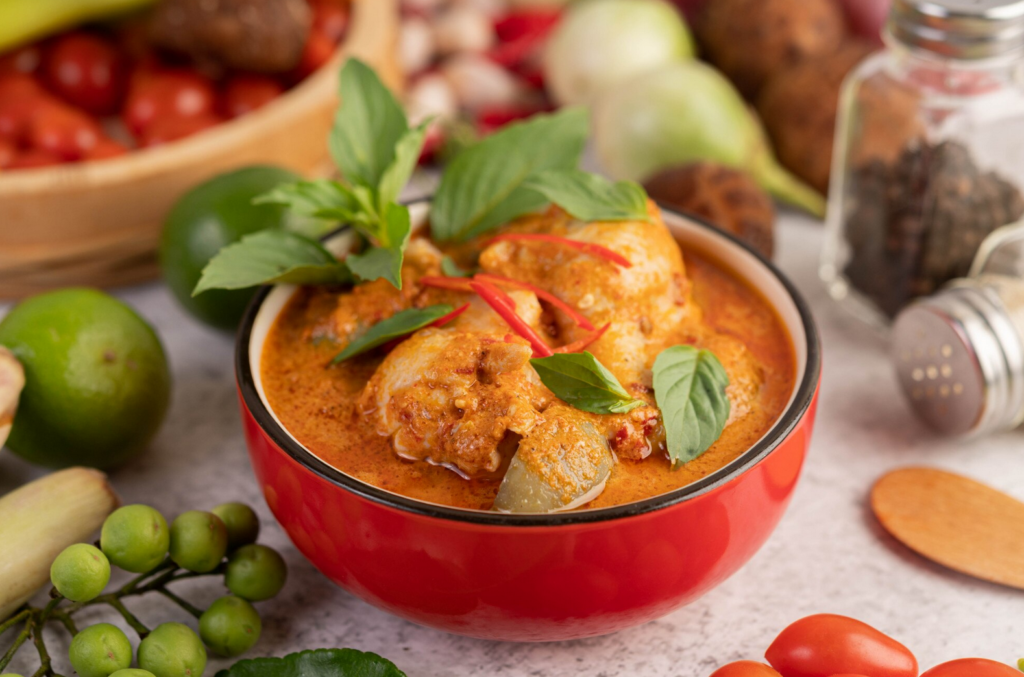
Butter chicken (murgh makhani) wasn’t invented by a royal chef or passed down through centuries of tradition. It was created in the early 1950s at Moti Mahal restaurant in Old Delhi — born from resourcefulness, a refugee family, and the oldest problem in the restaurant business: leftover food. Here’s the true origin story of India’s most famous dish.
The Butter Chicken Courtroom Case: How a Curry Sparked a Legal Dispute
There is a courtroom in Delhi where two families are currently arguing about who invented butter chicken.
Both families are Punjabi. Both fled Peshawar during the Partition of 1947. Both grandfathers worked at the same restaurant — Moti Mahal in Daryaganj, Old Delhi. And both families say the same thing: their grandfather made the original murgh makhani recipe first.
That the dish in question — butter chicken (murgh makhani) — is now worth billions in annual global restaurant revenue, served on every continent, and possibly the most ordered Indian curry on the planet, gives the case a certain dramatic quality. But the real story isn’t in the courtroom. It’s in a kitchen, in the early 1950s, where someone had a problem they needed to solve by morning.
The Origin of Butter Chicken: A Problem With Leftover Tandoori Chicken
Moti Mahal was famous for tandoori cooking long before butter chicken existed. In a tandoor — a cylindrical clay oven fired to intense heat — chicken emerged charred, fragrant, and deeply flavoured. People queued for it. It was the restaurant’s identity.
The problem was what happened overnight. Tandoori chicken is magnificent fresh from the fire. By the next morning, the chicken that hadn’t sold was drying out, losing its moisture, and becoming unsellable. This was a costly, daily problem.
Someone — Kundan Lal Gujral or Kundan Lal Jaggi, or possibly both cooking together (the details are genuinely disputed) — had an idea. Take the leftover tandoori chicken. Recycle the juices from the marinade trays. Add butter, cream, and tomatoes. Simmer everything together until you have a rich, creamy sauce. The result became the foundation of the butter chicken recipe the world now knows.
“Butter chicken was born from the oldest problem in the restaurant business: what do you do with the food that didn’t sell?”
It worked extraordinarily well. The dried-out chicken rehydrated in the makhani sauce, took on the cream and butter, and became something richer and more complex than the original dish. They served it. People loved it. Butter chicken was born.
5 Reasons Butter Chicken Became the World’s Most Popular Indian Dish
I’ve thought about butter chicken a lot since I started building Tuk Took. Not just because it’s on menus in every country I’ve worked in — and I’ve worked in a lot of countries — but because of what its origin says about Indian food culture and why certain dishes travel so well.
It was born from resourcefulness — not a royal kitchen or culinary school, but a refugee family making the best of leftover food.
The flavour profile is mild and creamy — butter, cream, and tomato create a sauce that’s rich without being fiery, making it accessible to first-time Indian food eaters.
It pairs perfectly with naan and rice — two of the most universally loved accompaniments in global cuisine.
The Indian diaspora carried it worldwide — as Punjabi communities spread through the UK, US, Canada, and Australia, butter chicken went with them.
It became the “gateway curry” — the dish that introduced millions of people to Indian cuisine who had never tried it before.
Butter chicken isn’t the product of a royal recipe or a centuries-old tradition. It’s the product of adaptability — the hallmark of Indian cuisine at its best. Much like the samosa, which travelled 1,200 years across the Silk Road before landing in South Asia, butter chicken’s journey is a story of food crossing borders.
How Butter Chicken Spread From Old Delhi to Every Continent
Moti Mahal became one of Delhi’s most famous restaurants. According to historical accounts, President Nixon ate there. Jackie Kennedy ate there. The Shah of Iran ate there. And with every visiting dignitary, butter chicken got another story written about it.
By the 1960s and 70s, as the Indian diaspora spread through the UK, the US, and further, they took their recipes with them. Butter chicken, with its mild, creamy makhani sauce, was particularly well-suited to export — flavourful enough to feel authentically Indian, mild enough that people who’d never eaten Indian food before could eat it without anxiety.
The Partition of 1947 and How It Created North Indian Restaurant Food
Both of the families disputing butter chicken’s invention were Punjabi refugees. They had left everything in Peshawar and came to Delhi with very little — except their deep knowledge of how to cook.
Before Partition, Delhi was predominantly vegetarian. The Punjabi refugees who flooded the city after 1947 brought tandoor ovens, meat cooking traditions, and the cuisine that would eventually become what the world calls ‘North Indian food.’ Butter chicken. Dal makhani. Seekh kebab. Rich, warming food that people now associate with Indian restaurants everywhere.
Butter Chicken at a Glance: Key Facts About Murgh Makhani
Invented at Moti Mahal, Daryaganj, Old Delhi — most likely early 1950s
Created to repurpose leftover tandoori chicken — the makhani sauce rehydrated dried-out meat
Inventors disputed between Kundan Lal Gujral and Kundan Lal Jaggi (Delhi High Court, 2024)
The tomato in the butter chicken sauce arrived in India via Portuguese traders via Goa c.1615
Tomatoes became common in Indian restaurant cooking only in the 1950s–60s
In the US, butter chicken accounts for the majority of Indian restaurant orders
Murgh makhani literally means “chicken in butter sauce” in Hindi/Urdu
Frequently Asked Questions About Butter Chicken (Murgh Makhani)
Q: Who invented butter chicken?
A: The invention of butter chicken (murgh makhani) is disputed between Kundan Lal Gujral and Kundan Lal Jaggi, both of whom worked at Moti Mahal restaurant in Daryaganj, Old Delhi in the early 1950s. The Delhi High Court is currently hearing both families’ claims to the original butter chicken recipe.
Q: When was butter chicken invented?
A: Butter chicken was most likely invented in the early 1950s at Moti Mahal restaurant in Old Delhi. The dish was created to repurpose leftover tandoori chicken by simmering it in a makhani sauce of butter, cream, and tomatoes.
Q: Why is butter chicken so mild compared to other Indian curries?
A: Butter chicken’s mildness is a feature of its origin story — it was designed to showcase the flavour of tandoori chicken, not overwhelm it. The makhani sauce uses butter, cream, and fenugreek leaves for aroma rather than chilli for heat. This makes it one of the most accessible Indian curry dishes for first-time eaters.
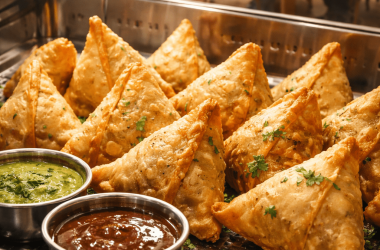
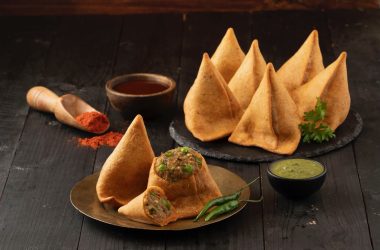
Eating shouldn’t feel like a task — but for many busy professionals, it has. Between desk lunches, protein bars, and rushed routines, food has become something to get through rather than enjoy. Tuk Took Bites was built to change that — starting with warm, Indian-inspired samosas designed for real life, real schedules, and real hunger.
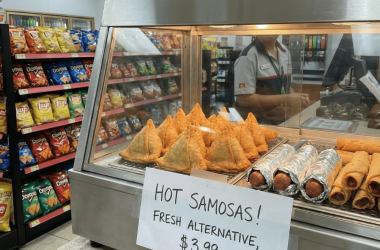
A single premium samosa at $3.99 generates 50%+ store-level margin. Real data shows one specialty coffee shop cleared $83,000+ annual gross profit from samosas alone. No new equipment needed. See the margin math that's reshaping c-store foodservice strategy.
A hot case is only as good as the system around it. Samosas hold 90–120 minutes without quality loss, batch-prep ahead of rush, and sit front-row eye-level next to coffee. But the real win is the repeat trigger: chutney and craveability. Tuesday's first purchase becomes Thursday's habit, then part of the weekly routine. That's not inventory management—that's habit architecture.
The samosa's 1,000-year journey from 9th-century Persia to Delhi's royal courts to modern street food. How a Portuguese potato transformed a courtly dish into the world's most democratic snack.
A viral Stockton street party revealed something deeper: Punjabi and Mexican communities in California have shared food, culture, and family ties for more than 100 years. Here’s the forgotten story behind one of America’s most unusual food histories.
Butter chicken (murgh makhani) wasn't invented by a royal chef or passed down through centuries of tradition. It was created in the early 1950s at Moti Mahal restaurant in Old Delhi — born from resourcefulness, a refugee family, and the oldest problem in the restaurant business: leftover food. Here's the true origin story of India's most famous dish.