Chicken Curry Enchiladas and the Forgotten Community That Built California’s Farms
A viral Stockton street party revealed something deeper: Punjabi and Mexican communities in California have shared food, culture, and family ties for more than 100 years. Here’s the forgotten story behind one of America’s most unusual food histories.
In 2017, a video went viral of a suburban street in Stockton, California. Two house parties — one Punjabi, one Mexican — had merged spontaneously into the street. People were taking turns dancing to each other’s music. Bhangra, then banda, then both at once.
But the communities in that video had actually been meeting for over a hundred years. The dance party wasn’t a new phenomenon. It was a revival.
The story of how Punjabi and Mexican communities came together in California — and what they cooked and ate and built together — is one of the most unusual and least-known chapters in American food history.
Who Came, and Why
In the early 1900s, waves of men from Punjab began arriving in California. They came by way of Canada, traveling through Vancouver before crossing south. Most were Sikh. Most were farmers who knew land and crops and hard physical work.
They arrived into California’s Central Valley — one of the most fertile agricultural regions on earth — and immediately recognised it. The climate, the flatness, the irrigation potential. It felt like Punjab. The Punjabi farmers who settled Yuba-Sutter County planted orchards that today produce 95% of the local peaches and 60% of the prunes. They were foundational to California agriculture. And for their efforts, they were met with hostility, restrictive immigration laws that prevented their families from joining them, and the Alien Land Law of 1913 — which barred them from owning the land they farmed.
Why They Married Mexican Women
The Immigration Act of 1917 effectively closed American borders to South Asian immigration. Men who had come to California intending to work for a few years found themselves stranded — unable to bring wives and families, unable to leave without losing everything they’d built.
Punjabi men couldn’t legally marry white women. But marriages between Punjabi men and Mexican-American women weren’t clearly prohibited — because in the record office, both parties could simply list their race as ‘brown.’ Between 1916 and the 1940s, nearly 400 Punjabi-Mexican couples married across California.
Both cultures were rural. Both cooked flatbreads. Both built family life around communal meals and extended kinship networks. They had more in common than anyone officially acknowledged.
The Food They Made Together
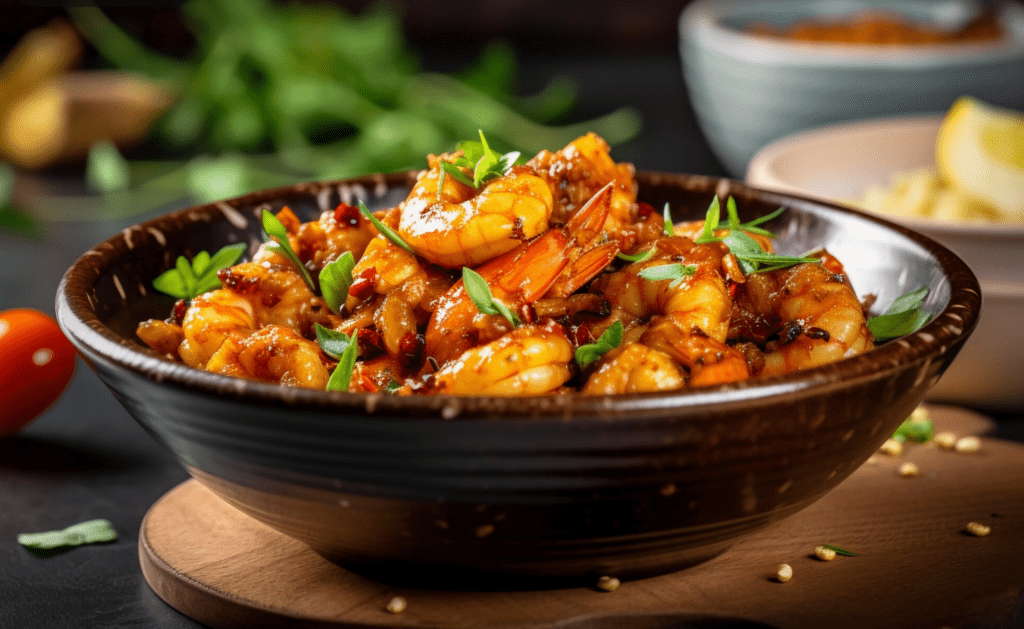
In Yuba City, a Punjabi-Mexican family ran a restaurant called El Ranchero — the only Mexican restaurant in California serving chicken curry and roti alongside enchiladas and tortillas.
The Punjabi men taught their wives how to make roti, chicken curry, dal. The women taught their husbands — and their children — how to cook Mexican food. The children grew up eating both, celebrating Diwali and Christmas, going to gurdwara once a year and Catholic Mass every Sunday.
One descendant described growing up eating ‘chicken curry enchiladas’ — not as a cultural statement, but just as dinner. These weren’t people trying to make a point about fusion. They were cooking what they knew, feeding who they loved.
The Punjabi-Mexican community — key facts → First Punjabi immigrants settled California’s Central Valley around 1907 → First recorded Punjabi-Mexican marriage: 1916 → Nearly 400 biethnic couples across California by the 1940s → Yuba-Sutter County Punjabi farmers today grow 95% of local peaches, 60% of prunes → El Ranchero restaurant, Yuba City — the only Mexican restaurant in California serving chicken curry + roti → Yuba City is still called ‘Chota Punjab’ — home to largest rural Punjabi community outside India
What I Think About This Story
I came to the US from India. I’ve travelled to over 60 countries and lived in a few of them. And one of the things I keep noticing — wherever I go — is that the most interesting food always comes from places where cultures have been forced, or chosen, or simply fallen into proximity.
Indian food in America right now is having a genuine moment — new restaurants, new chefs, real mainstream curiosity. But that story didn’t start in 2020 with the upscale Indian dining boom. It started in 1907 with Punjabi men arriving in California with farming knowledge and recipes and absolutely nothing else guaranteed.
Frequently Asked Questions
Q: Why did Punjabi immigrants marry Mexican-American women in California? A: Immigration laws prevented Punjabi men from bringing Indian wives to the US, and anti-miscegenation laws prevented them from marrying white women. Marriages with Mexican-American women were legally ambiguous — both groups could list their race as ‘brown’ on official documents. The communities also shared similar agricultural, rural backgrounds and communal meal cultures.
Q: What is El Ranchero restaurant? A: El Ranchero was a restaurant in Yuba City, California run by a Punjabi-Mexican family. It was notable for being the only Mexican restaurant in California at the time serving chicken curry and roti alongside enchiladas and tortillas — a direct result of the family’s combined heritage. It closed in 1993.
Q: Where is the largest Punjabi community in the US? A: Yuba City, California has one of the largest Punjabi-American communities in the United States and is sometimes called ‘Chota Punjab’ (Little Punjab). The annual Sikh Nagar Kirtan parade there is one of the largest in North America.
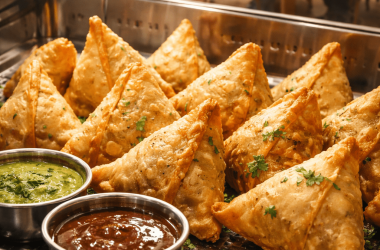
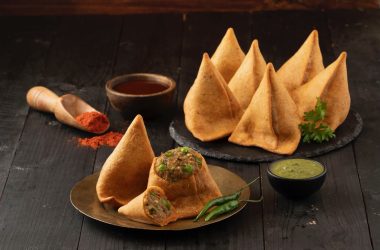
Eating shouldn’t feel like a task — but for many busy professionals, it has. Between desk lunches, protein bars, and rushed routines, food has become something to get through rather than enjoy. Tuk Took Bites was built to change that — starting with warm, Indian-inspired samosas designed for real life, real schedules, and real hunger.
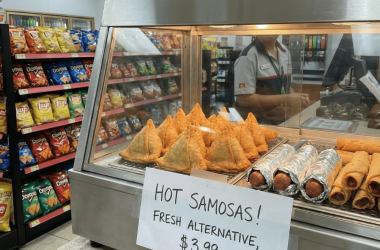
A single premium samosa at $3.99 generates 50%+ store-level margin. Real data shows one specialty coffee shop cleared $83,000+ annual gross profit from samosas alone. No new equipment needed. See the margin math that's reshaping c-store foodservice strategy.
A hot case is only as good as the system around it. Samosas hold 90–120 minutes without quality loss, batch-prep ahead of rush, and sit front-row eye-level next to coffee. But the real win is the repeat trigger: chutney and craveability. Tuesday's first purchase becomes Thursday's habit, then part of the weekly routine. That's not inventory management—that's habit architecture.
The samosa's 1,000-year journey from 9th-century Persia to Delhi's royal courts to modern street food. How a Portuguese potato transformed a courtly dish into the world's most democratic snack.
A viral Stockton street party revealed something deeper: Punjabi and Mexican communities in California have shared food, culture, and family ties for more than 100 years. Here’s the forgotten story behind one of America’s most unusual food histories.
Butter chicken (murgh makhani) wasn't invented by a royal chef or passed down through centuries of tradition. It was created in the early 1950s at Moti Mahal restaurant in Old Delhi — born from resourcefulness, a refugee family, and the oldest problem in the restaurant business: leftover food. Here's the true origin story of India's most famous dish.